Limehouse Storage Recycling and Sustainability
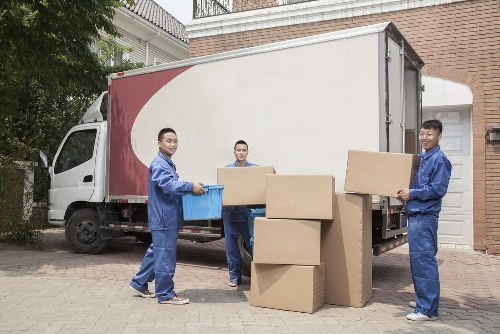 At Limehouse Storage, sustainability is built into the way we operate every day. Our recycling and sustainability approach is designed to reduce waste, support local reuse networks, and lower the environmental footprint of storage activity across East London. From separating packaging materials to planning cleaner transport routes, we aim to make responsible waste handling part of the service rather than an afterthought. We also set a clear recycling percentage target for the materials we handle, with the goal of diverting at least 90% of suitable operational waste away from landfill through reuse, recycling, and recovery streams.
That target is supported by practical action on site. Cardboard, paper, plastic wrapping, shrink film, wooden pallets, and metal offcuts are sorted into dedicated streams so they can be processed correctly. This reflects the wider boroughs’ approach to waste separation, where clear sorting and contamination reduction are key to improving recycling outcomes. By mirroring best practice from local collection systems, our Limehouse Storage recycling process helps ensure materials are handled in a way that is consistent, efficient, and environmentally responsible.
 We also make sure that items with a second life are not treated as waste too quickly. Many possessions stored by customers can be reused, repaired, or passed on through local channels rather than being discarded. That is why our sustainability strategy includes partnerships with charities and community organisations that can make use of furniture, household goods, books, office items, and other reusable stock. In this way, sustainable storage in Limehouse becomes more than a waste-reduction policy; it becomes part of a circular economy that benefits nearby communities.
Our partnerships with charities are especially important when storage contents need to be cleared and sorted efficiently. Items in good condition may be directed towards local donation routes, helping support people in need while reducing the volume of material sent for disposal. Where appropriate, we separate reusable goods from recyclable materials, making sure each item enters the most suitable pathway. This layered approach supports both environmental aims and social value, reinforcing the role of Limehouse Storage sustainability in the local area.
Local Transfer Stations and Responsible Waste Routing
 A key part of our waste plan is using approved local transfer stations and licensed waste facilities. These sites help consolidate and process segregated materials before they move on to specialist recycling or recovery plants. Choosing the right transfer station matters because it reduces unnecessary mileage, improves traceability, and ensures that waste is managed by authorised operators. For a business like ours, the use of local facilities is an important way to keep the recycling footprint as small as possible while maintaining compliance and reliability.
In practical terms, this means waste from packaging, office operations, and maintenance activity is collected in a controlled way and sent to facilities that can sort and process it effectively. Light metals, clean cardboard, mixed plastics, and timber can all follow different routes depending on their condition. By working with trusted local transfer stations, recycling at Limehouse Storage becomes more efficient, and less material is lost to contamination or poor handling. It also means we can adapt to the specific expectations of surrounding boroughs, where waste separation standards and collection arrangements may differ from one area to another.
Low-Carbon Vans and Cleaner Transport
Transportation is another area where we are making meaningful changes. Our fleet includes low-carbon vans that help reduce emissions linked to collections, deliveries, and local transfer movements. These vehicles are selected to support lower fuel use and fewer tailpipe emissions, while still giving us the flexibility needed for day-to-day operations. In a dense urban environment, even small efficiency gains can make a real difference, especially when routes are planned carefully and vehicles are matched to the size of the task.
The benefits extend beyond carbon reduction. Cleaner vans are part of a wider effort to improve air quality and support more sustainable logistics around Limehouse and neighbouring districts. Where possible, we consolidate journeys, reduce empty runs, and combine collection schedules so that transport is used more efficiently. This means our eco-conscious storage operations are not only about sorting waste correctly, but also about moving it in a smarter and less wasteful way.
We also look at the materials themselves before transport is even needed. If packaging can be flattened, separated, or prepared for reuse at source, the amount of vehicle space required is reduced. That helps lower the number of journeys and supports better recycling outcomes. Simple steps such as keeping cardboard dry, separating film from rigid plastics, and grouping timber together can improve the quality of recyclables and make a noticeable difference to how much can be recovered.
Working with the Local Circular Economy
 Our sustainability work fits naturally into the local circular economy, where materials are kept in use for as long as possible. In nearby boroughs, waste separation is often organised around clear household and commercial categories, and we apply a similar principle to our own processes. Clean separation at the point of disposal helps reduce contamination, which is one of the biggest barriers to successful recycling. By staying aligned with local expectations, we help ensure that recyclable items have the best chance of being recovered and reused.
This also supports education and awareness across the business. Team members are encouraged to recognise which materials belong in recycling streams, which can be reused, and which should be directed to approved disposal routes. Over time, this culture helps reduce general waste and improves the quality of the materials we send to facilities. For customers, it reinforces the idea that recycling with Limehouse Storage is part of a wider commitment to environmental responsibility, not just a one-off service.
 We are continually reviewing our methods so that our recycling percentage target remains ambitious and achievable. As local infrastructure evolves and better recovery options become available, we aim to improve performance further through smarter sorting, stronger charity partnerships, and cleaner vehicle use. From local transfer stations to low-carbon vans, every step is designed to support a more resilient, lower-impact way of working. That is the heart of sustainability at Limehouse Storage: practical action, local cooperation, and a clear focus on reducing waste wherever possible.